Women and Food Security
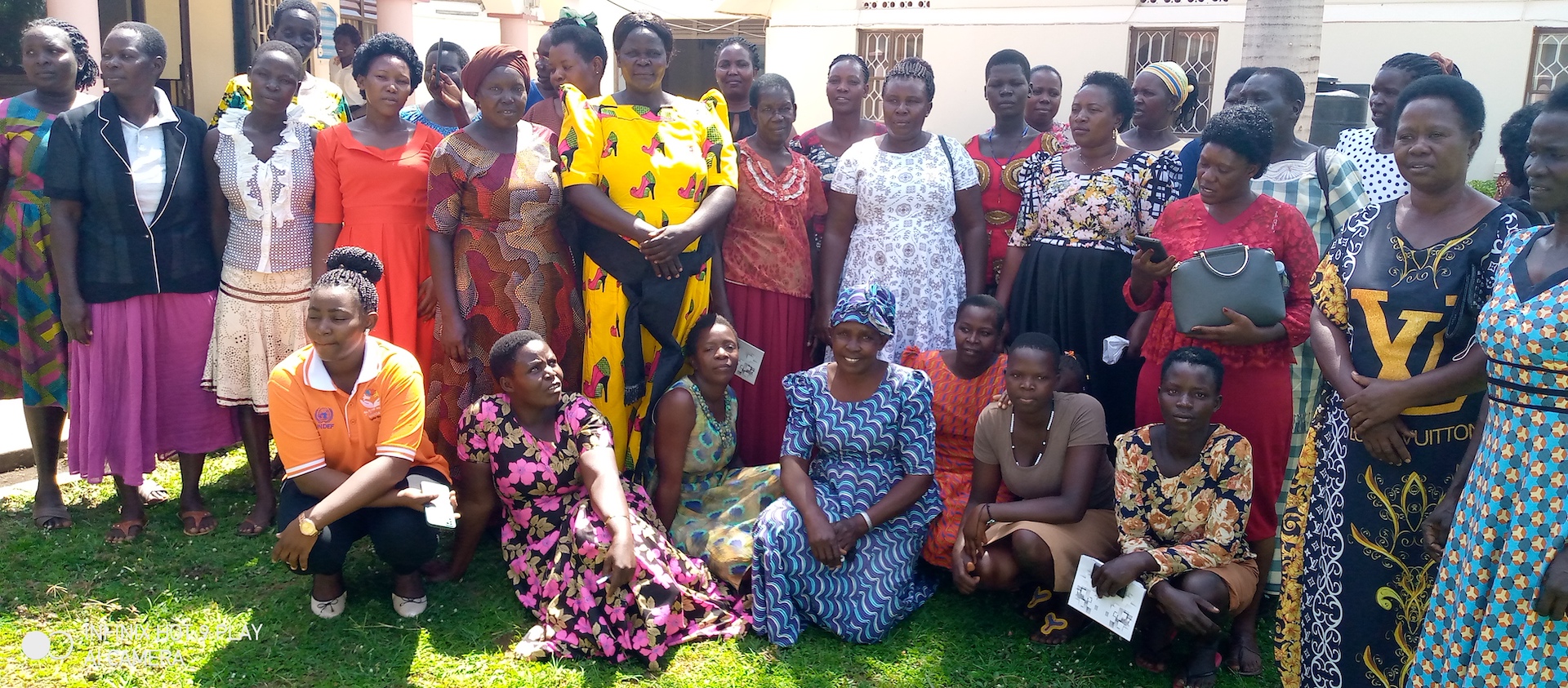
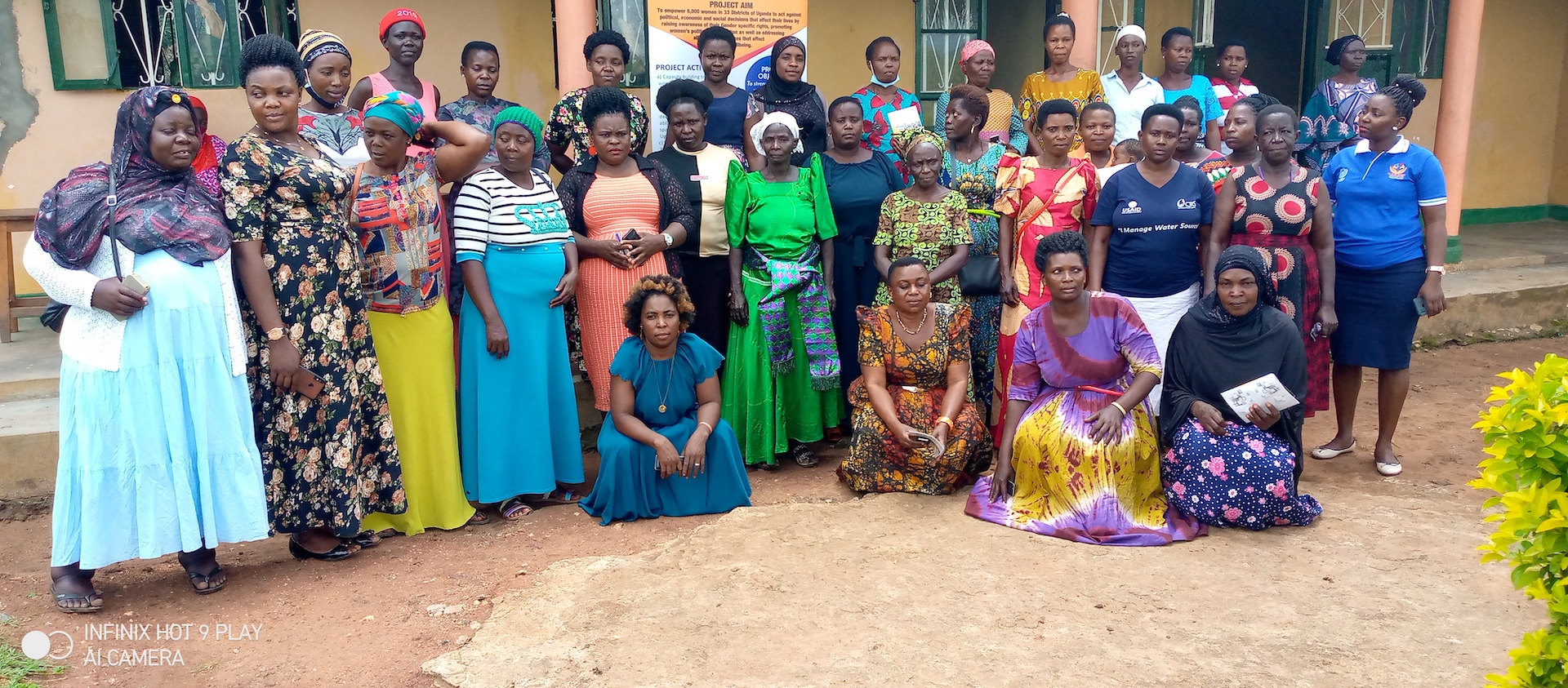
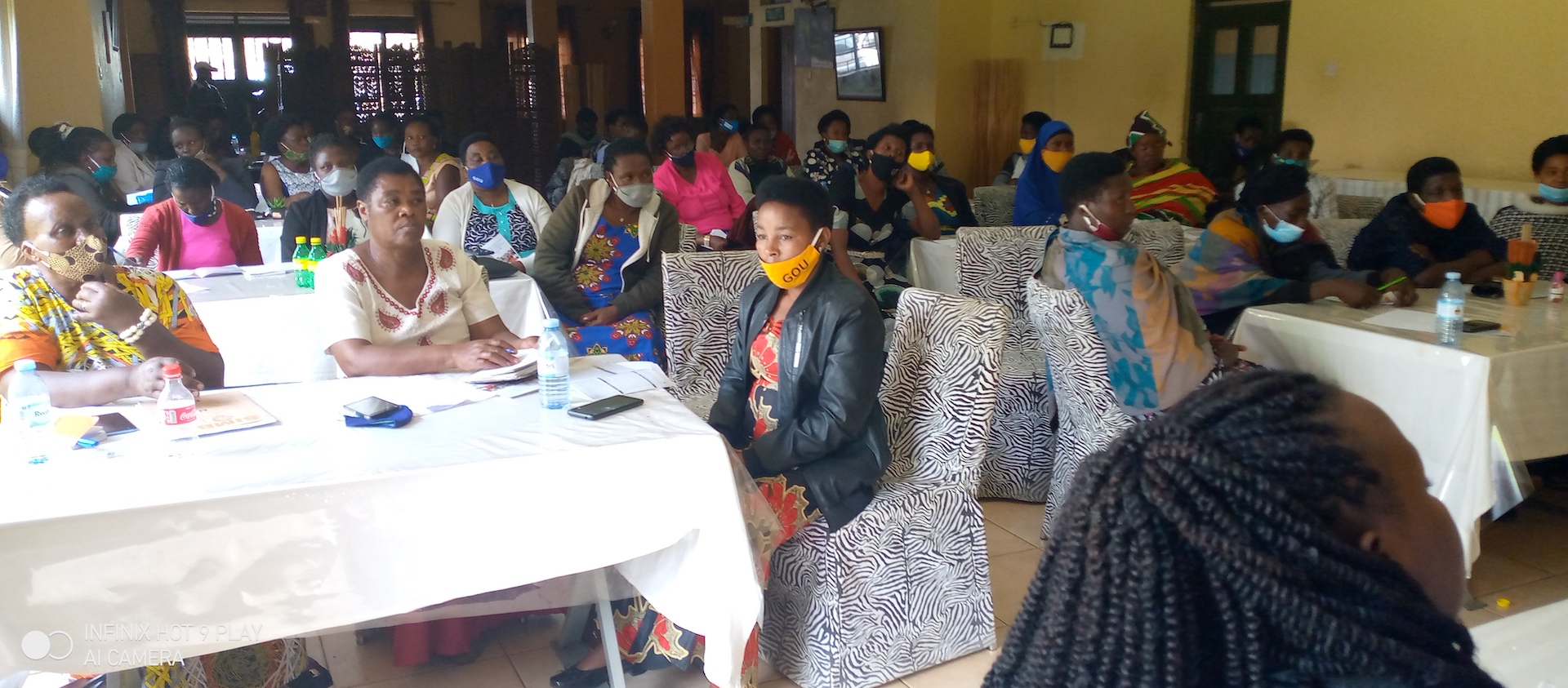
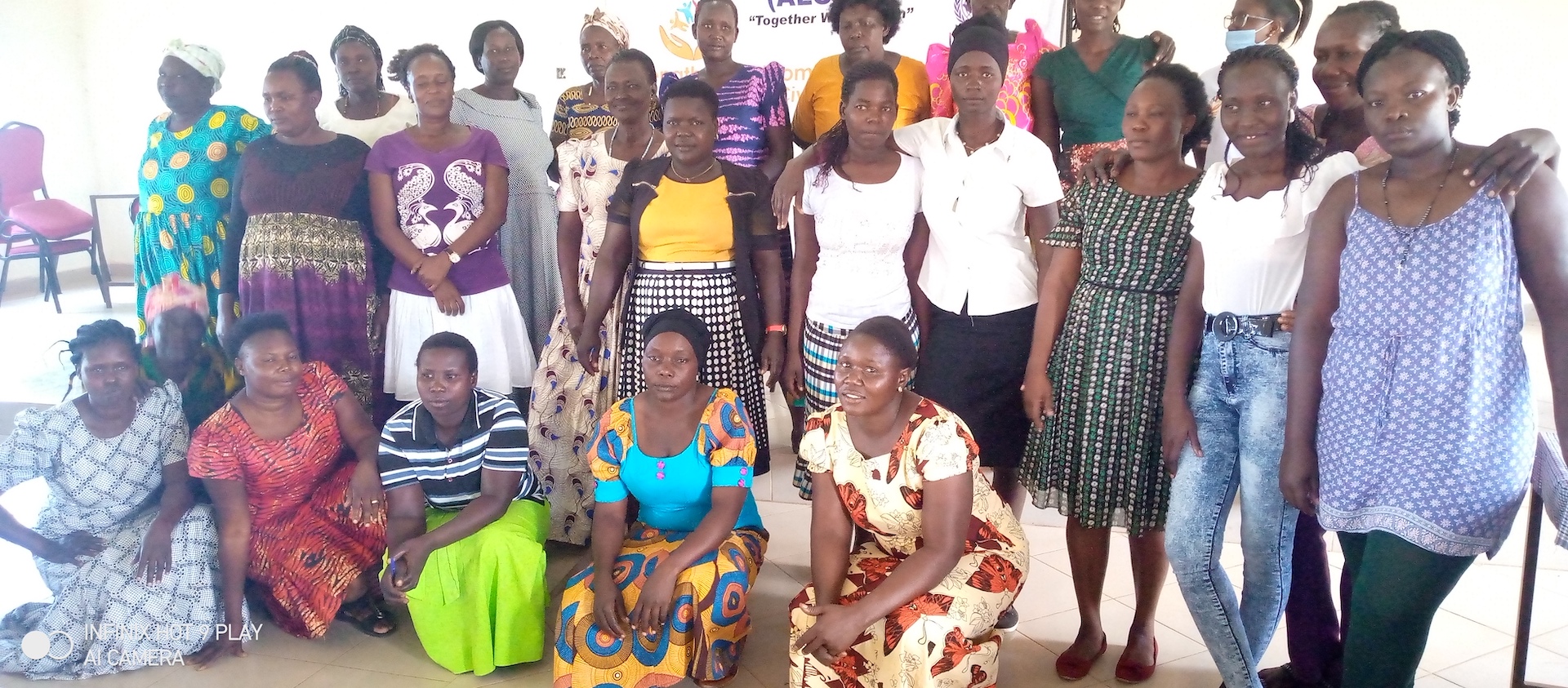
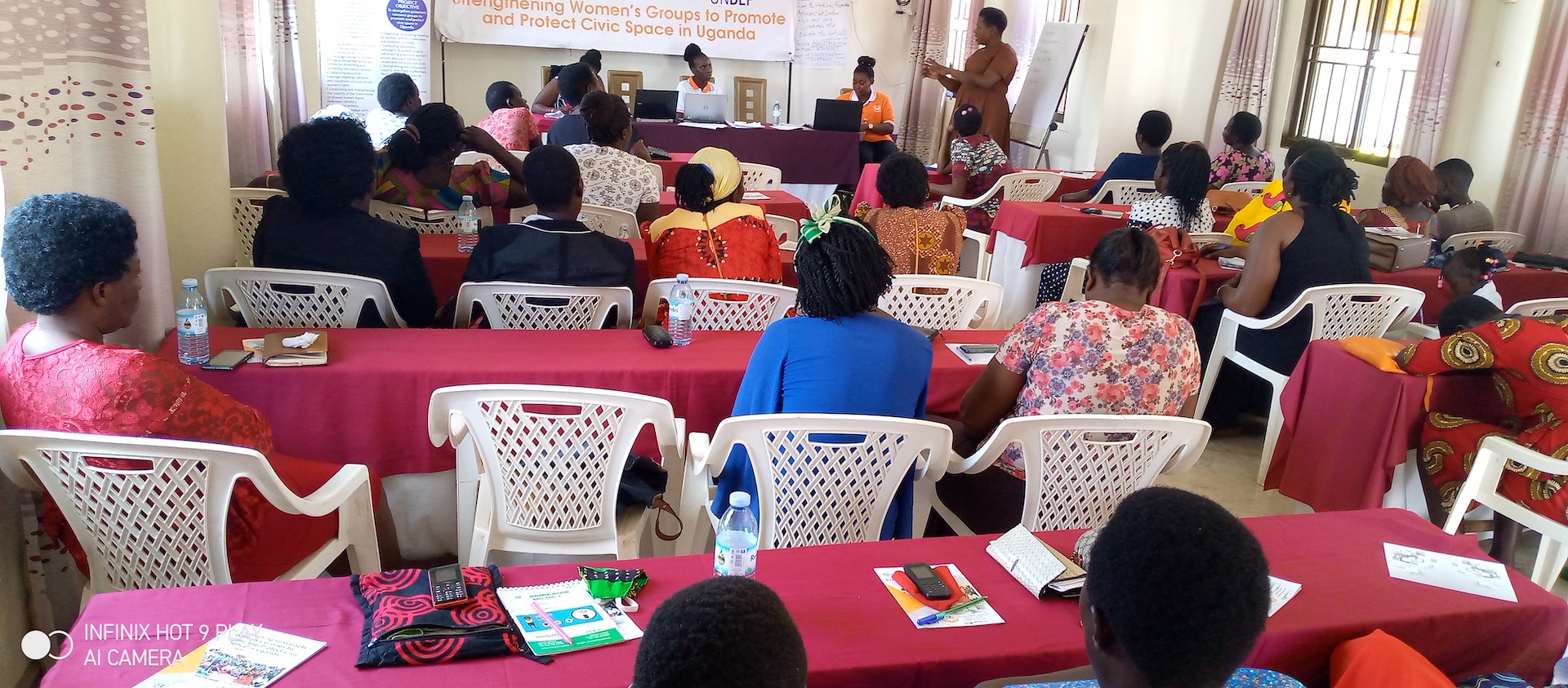
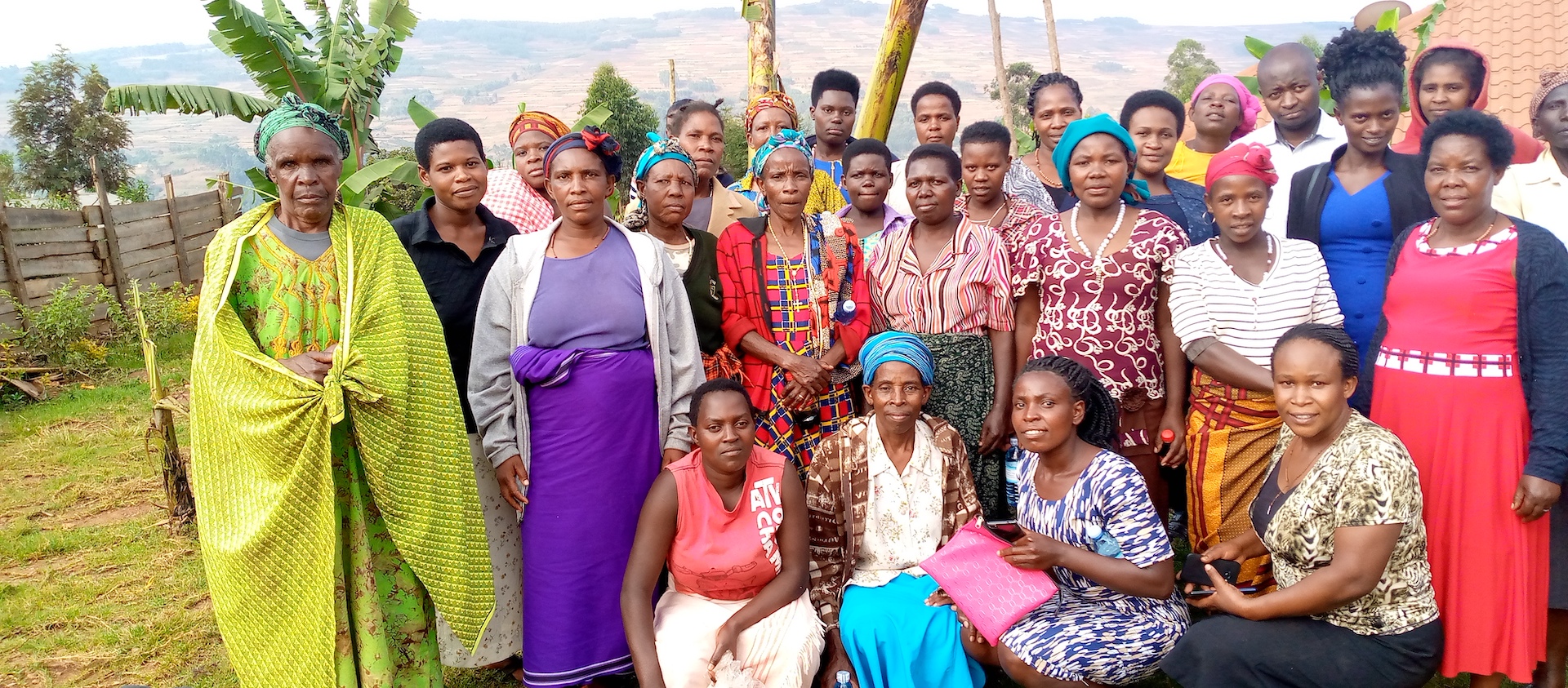
Women's rights and food are closely linked, as gender inequality can lead to food insecurity. Women's rights to food include access to resources, land, and knowledge, as well as the right to work and earn a living. Food insecurity and its impact on livelihoods are creating ripple effects for women and girls, including health and safety risks, increased sexual and gender-based violence (SGBV), and decreasing access to education. Women are forced to bear the double burden of employment and household responsibilities, having to become breadwinners as their husbands migrate in search of alternative means of subsistence. SAPNET supports Women leading the response to the food crisis in Uganda.
Women’s rights advocates play critical roles in contributing to improved food security, not only because women are custodians of food and food preparation in their households, but because of their roles as advocates for more gender-responsive food systems and equal land rights. It is essential that women civil society leaders take on leadership roles in humanitarian food assistance to ensure inclusive and gender-responsive policies, planning and response to the hunger crisis. They must be enabled to promote and support women’s access to all productive resources and to apply a gender lens to the impacts of conflicts on food security.