Advancing gender equality and women’s empowerment
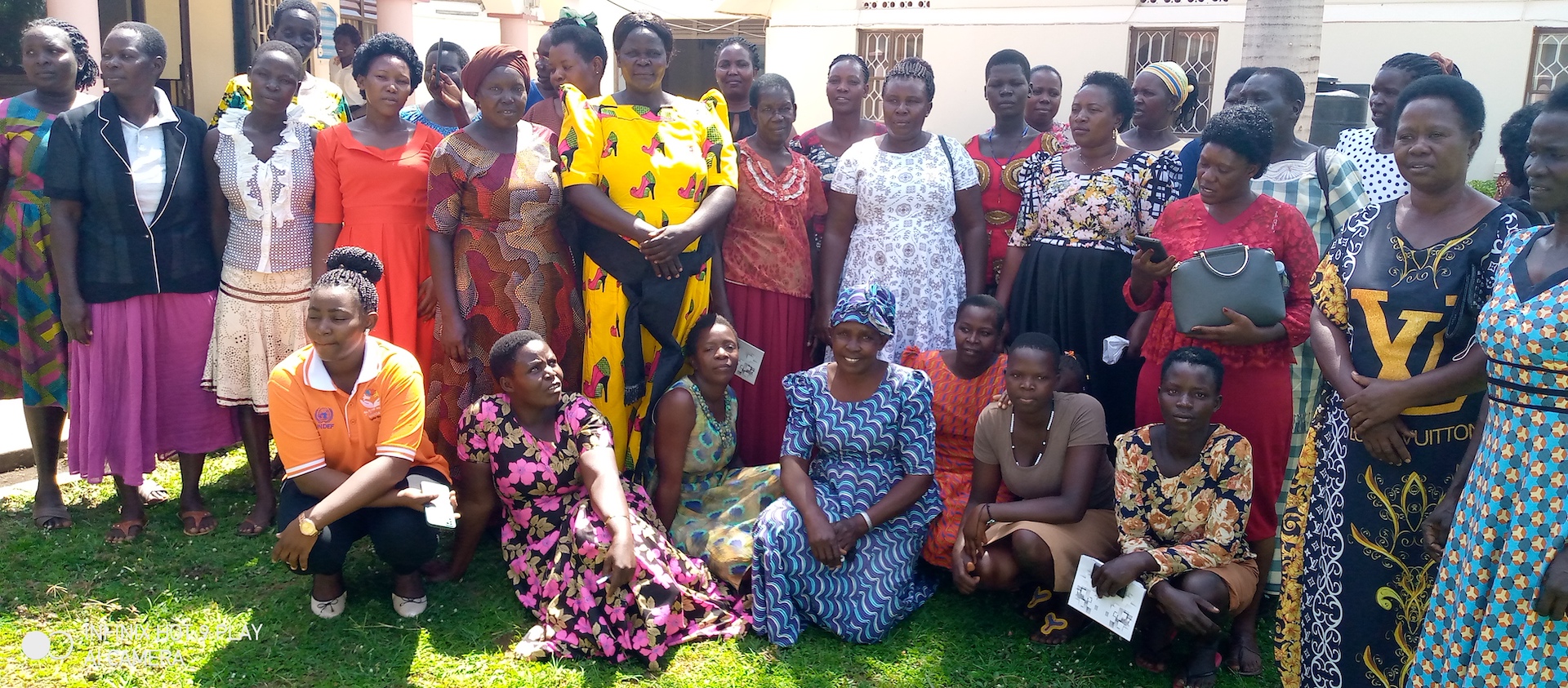
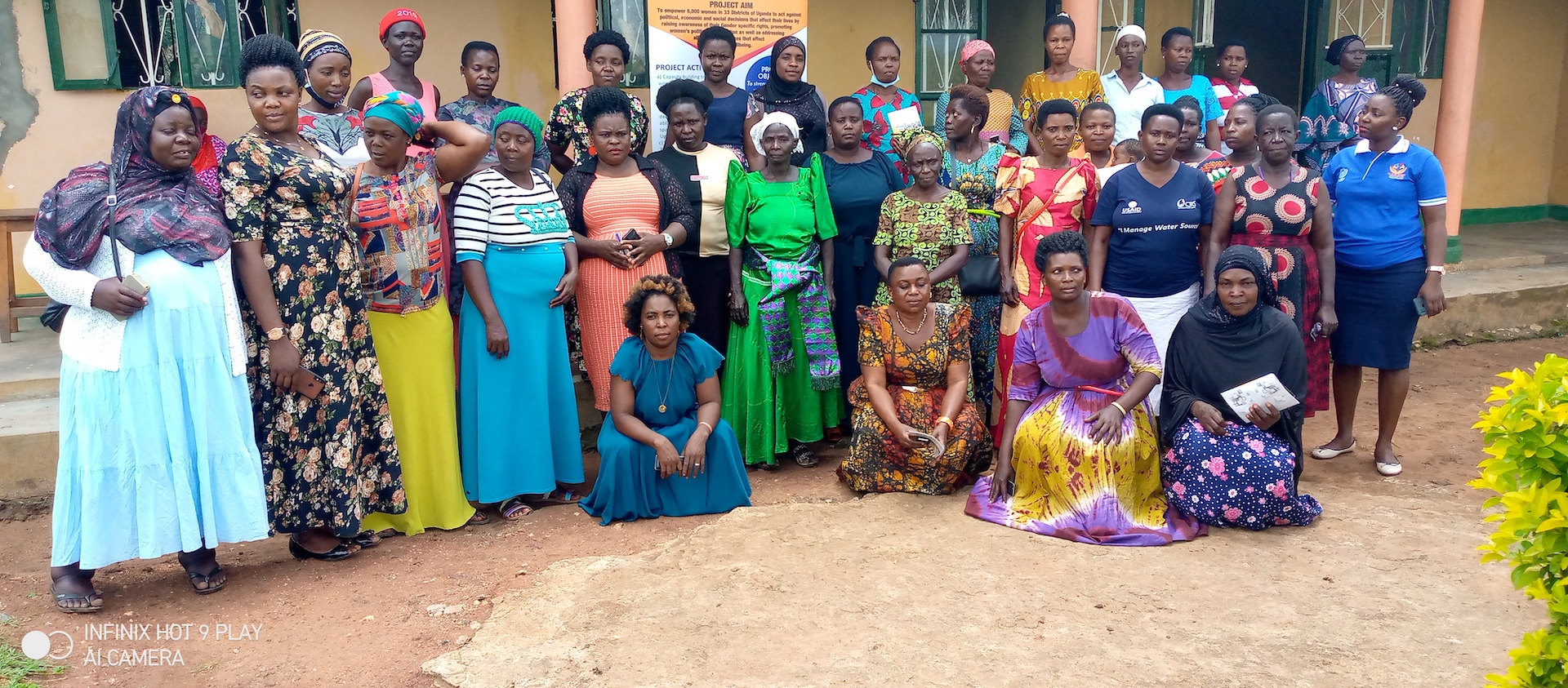
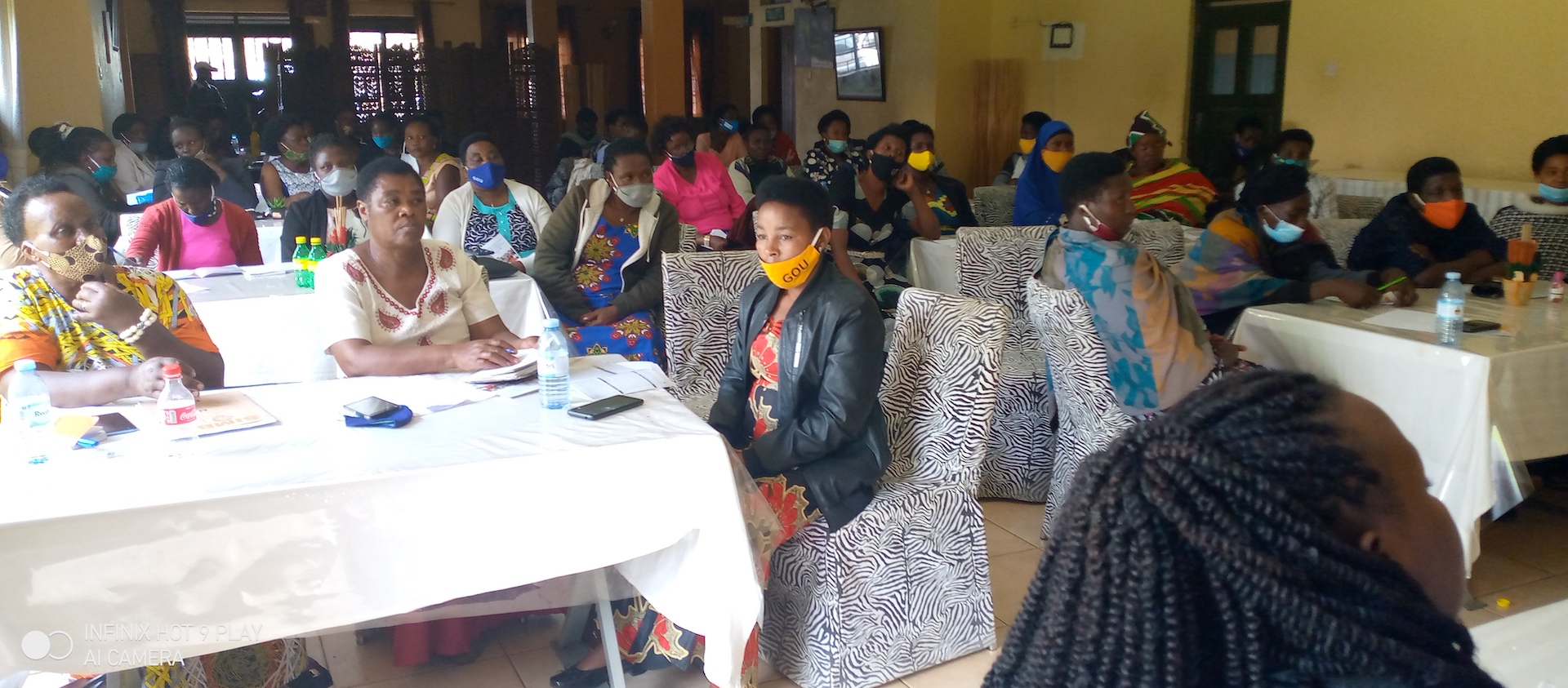
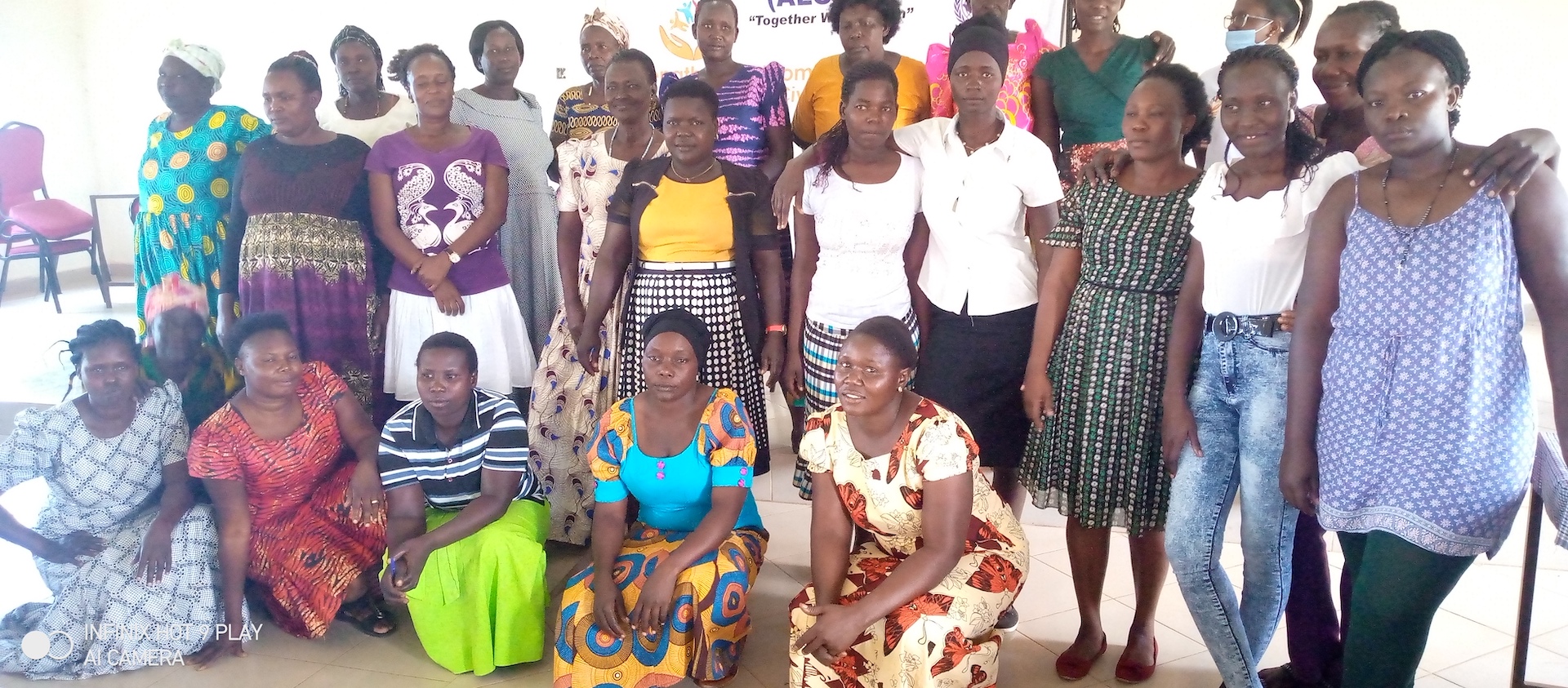
Our work on advancing gender equality and women empowerment focus on addressing three priority areas;
- 1. Equal opportunities for leadership, decision-making and effective engagement at all levels
- 2. Equal access, ownership and control over biological resources
- 3. Equal access to benefits from biodiversity conservation and sustainable use, and from the utilization of genetic resources.
- 1. Vulnerabilities: gender and development data show that women disproportionately experience poverty, exclusion and the effects of climate change, compared to men. In addition, they often lack access to public services, such as education and health care, and have limited resources.
- 2. Gender-based violence: women face additional challenges simply for being women. These challenges can include sexual harassment, stigmatization, violence, and less opportunities in favour of economic independence.
- 3. Barriers to economic empowerment: Although women farmers are as productive and enterprising as their male counterparts, the gender pay gap in rural areas is as high as 40%. Nationally, over a third of employed women are working on agriculture, forestry and fisheries but less than 15% of landholders are women. As a result, rural women are often less able to access land, credit, agricultural inputs, markets and high value agri-food chains, and obtain lower prices for their crops. Despite all of their contributions, most of rural women’s labour, including care and domestic work, remains invisible and unpaid.
- 4. Exclusion from decision-making processes: rural women are often excluded or underrepresented in decision-making that affects them directly. They are also poorly considered in budget allocations and conservation initiatives. This is largely a result of structural barriers and discriminatory social norms, both within the community and at large.
- 1. Each year, an estimated one third of all food produced ends up rotting in the bins of consumers and retailers, or spoiling due to poor transportation and harvesting practices.
- 2. If people in Uganda switched to energy efficient light bulbs the, country would save millions of dollars annually.
- 3. Should the world population reach 9.6 billion by 2050, the equivalent of almost three planets could be required to provide the natural resources needed to sustain current lifestyles.
Through this programme, we work to address the challenges faced by women including the following;