Women play a key role in sustainable production, especially in agriculture, and their contributions are often overlooked. They have unique knowledge and skills that can help adapt to climate change and improve food security. Women play a key role in sustainable production as follows;/p>
Opening Hours : Monday to Saturday - 8am to 5pm | Sunday & Public Holidays: Closed
-
info@sapnet.or.ug -
Phone Number
+256701190533
Vision of SAPNET
Ensuring Responsible Consumption and production patterns and empower women to sustain their livelihoods and those of current and future generations.
Mission of SAPNET
To empower women and ensure sustainable use of the natural environment and resources
Goal of SAPNET
To empower women as a solution to environmental sustainability and food security
Our Focus Areas
Sustainable Production
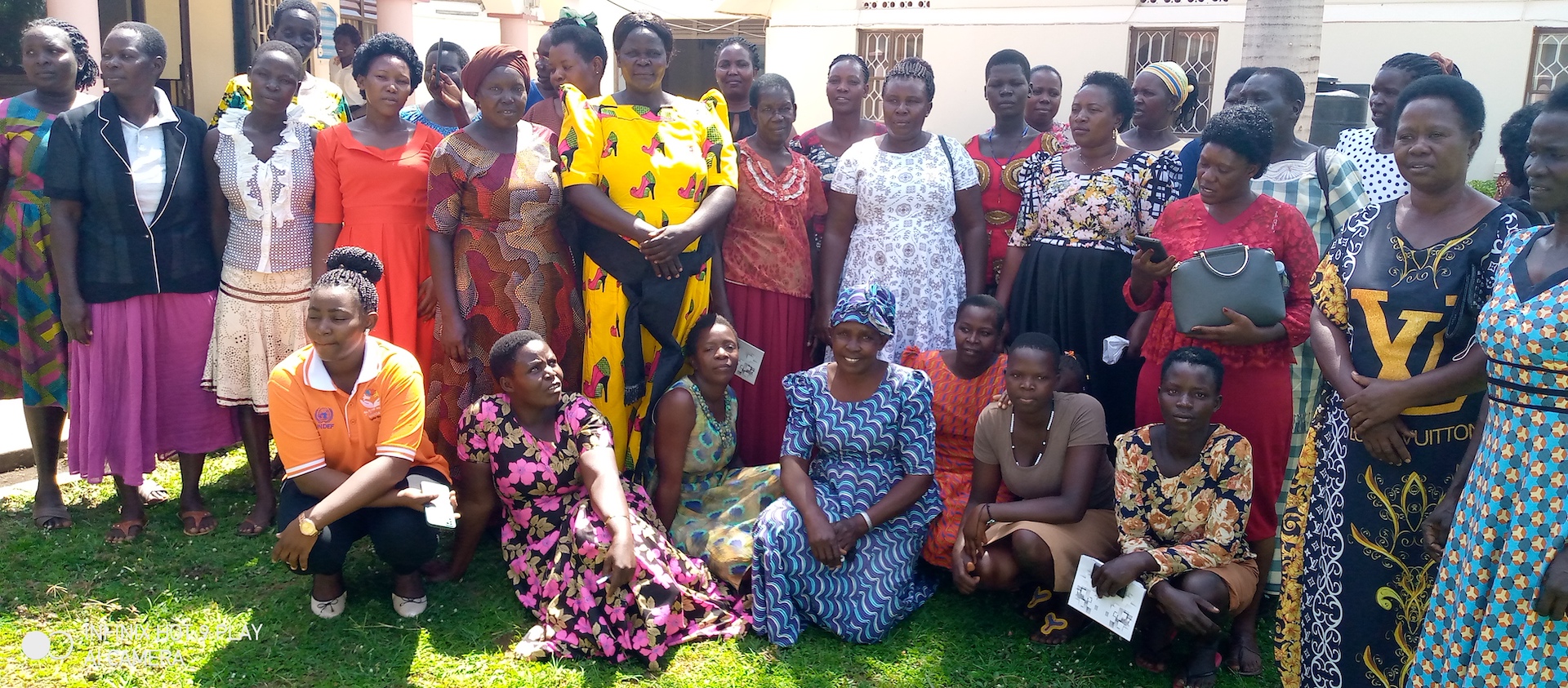
Women play a key role in sustainable production, especially in agriculture, and their contributions are often overlooked. They have unique knowledge and skills that can help adapt to climate change and improve food security
Read moreNatural Resource Governance
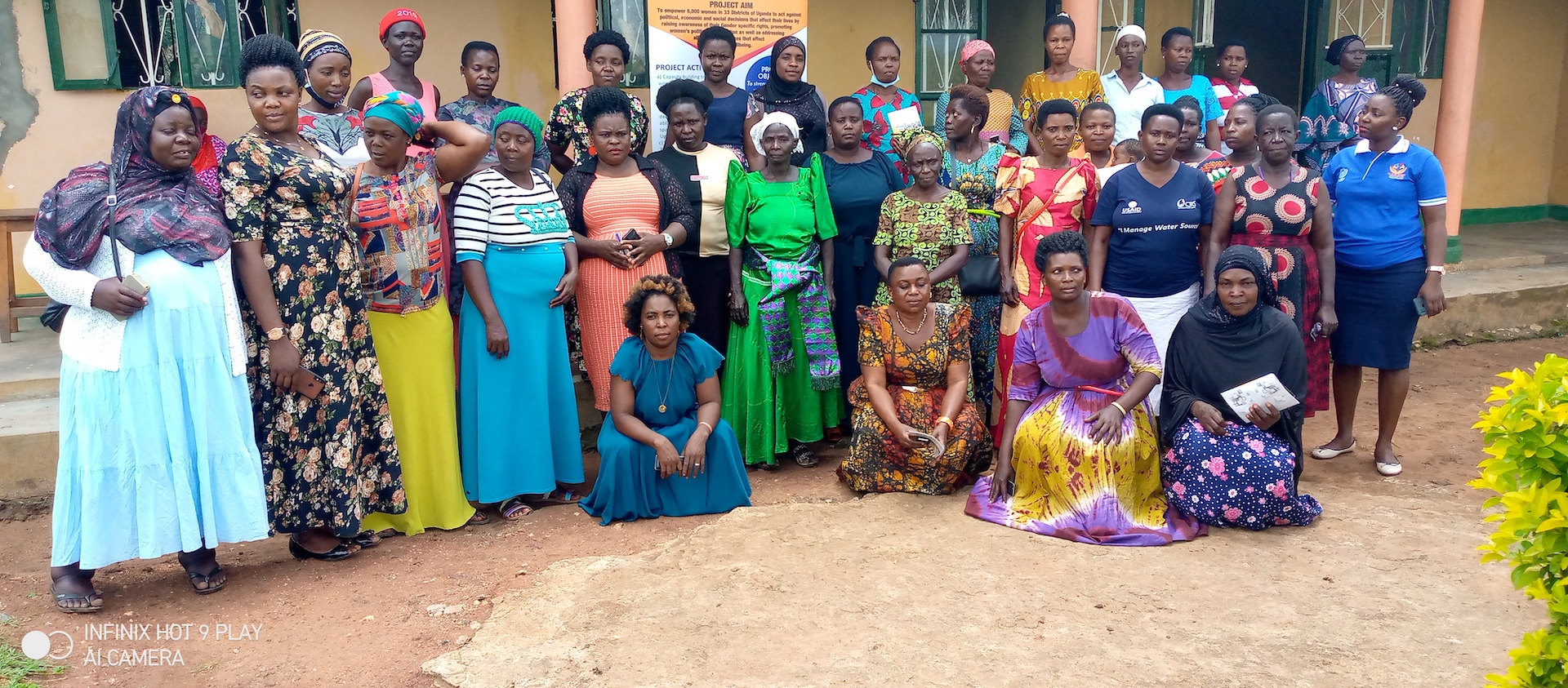
Rural women play a crucial role in the management of natural resources and the wellbeing and livelihood of rural households and communities. They account for a significant proportion of the.
Read moreGender Equality and Women’s Empowerment
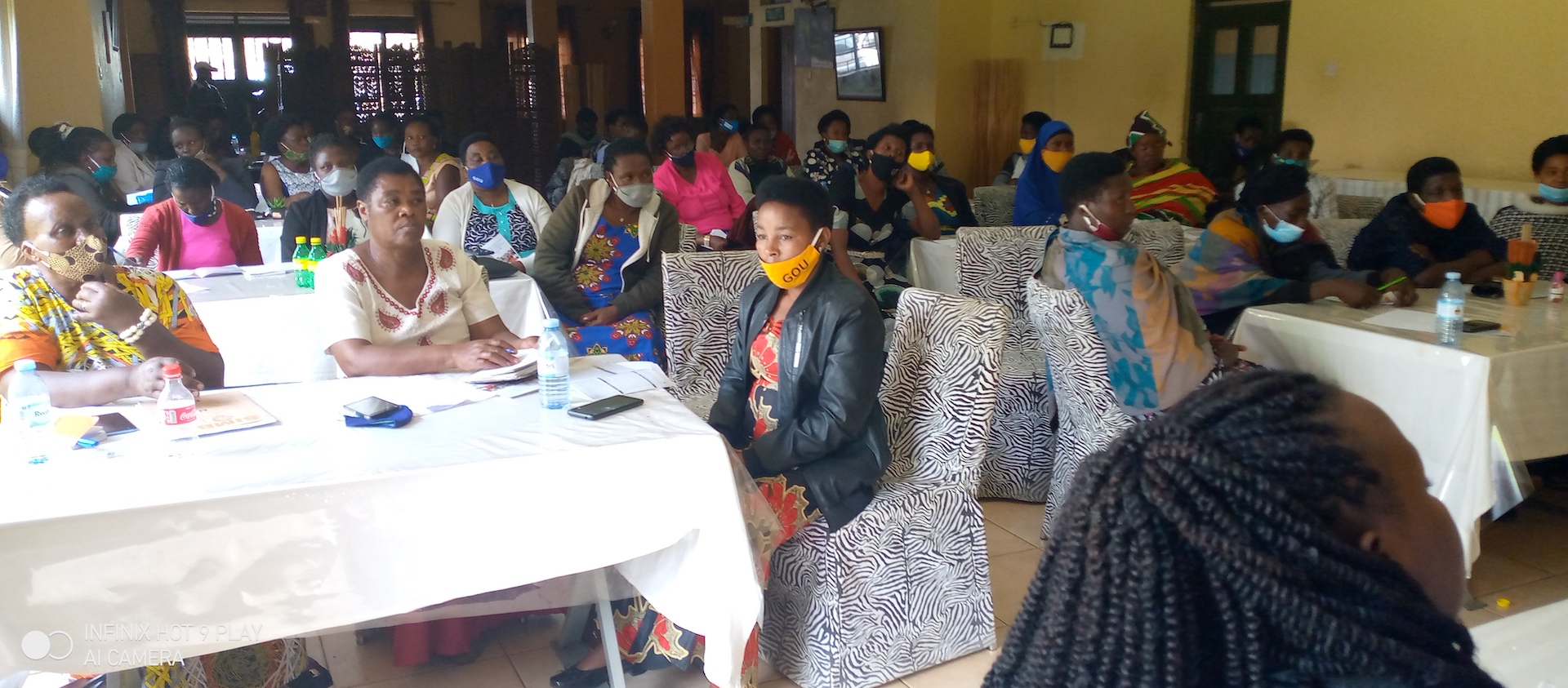
women face additional challenges simply for being women. These challenges can include sexual harassment, stigmatization, violence, and less opportunities in favour of economic independence.
Read moreWater and Gender
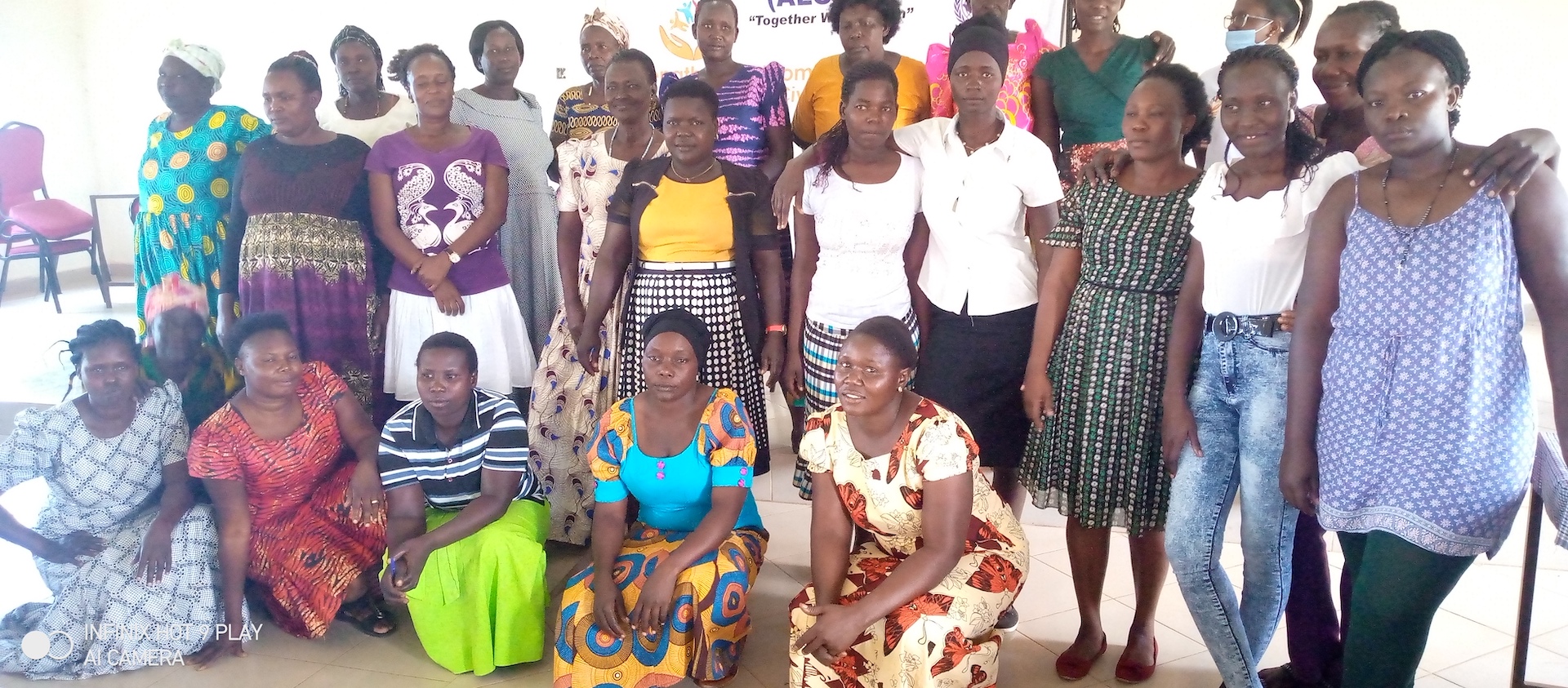
women face additional challenges simply for being women. These challenges can include sexual harassment, stigmatization, violence, and less opportunities in favour of economic independence. Access to water and sanitation are human rights.
Read moreEnergy Access and Gender Equality
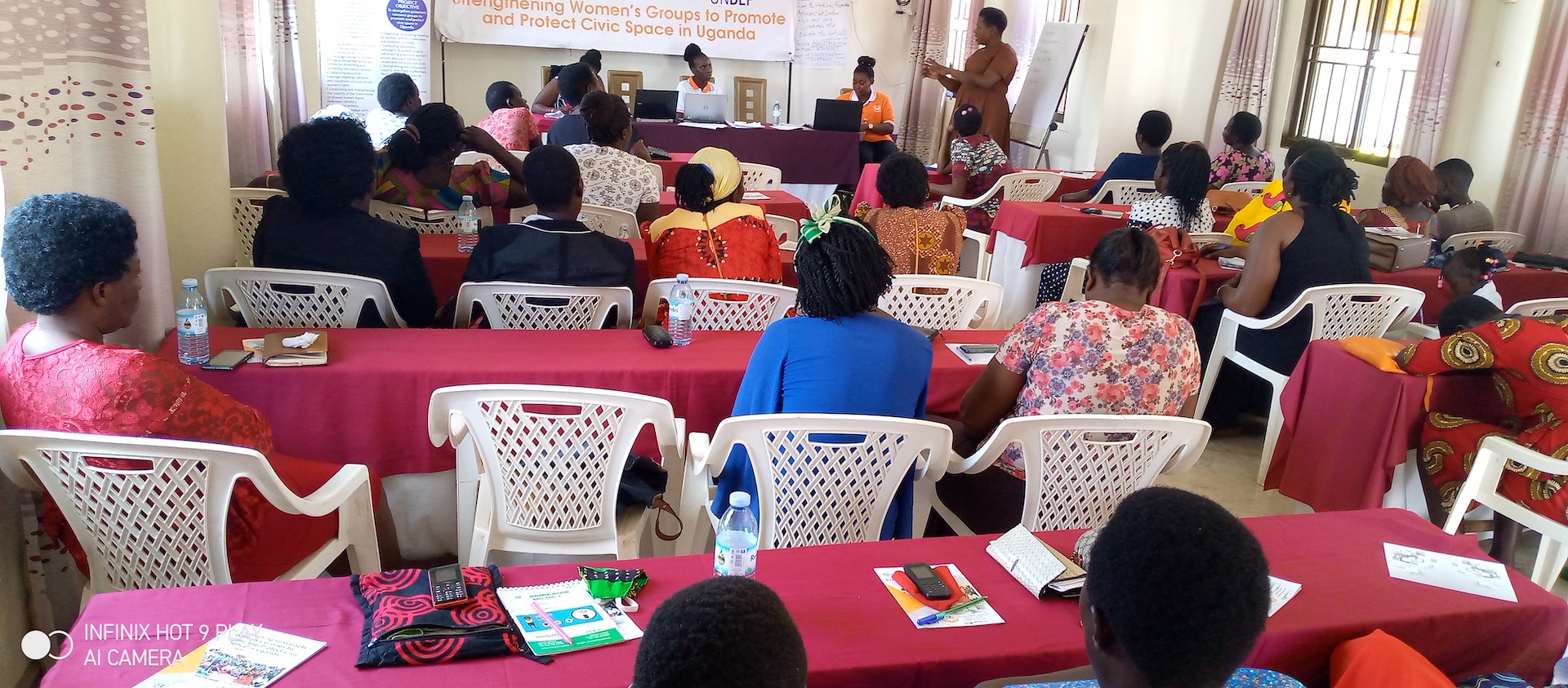
Energy access and gender equality are closely linked, and women are often disproportionately affected by a lack of energy access. Women are vital consumers, producers, and decision-makers
Read moreWomen and Food Security
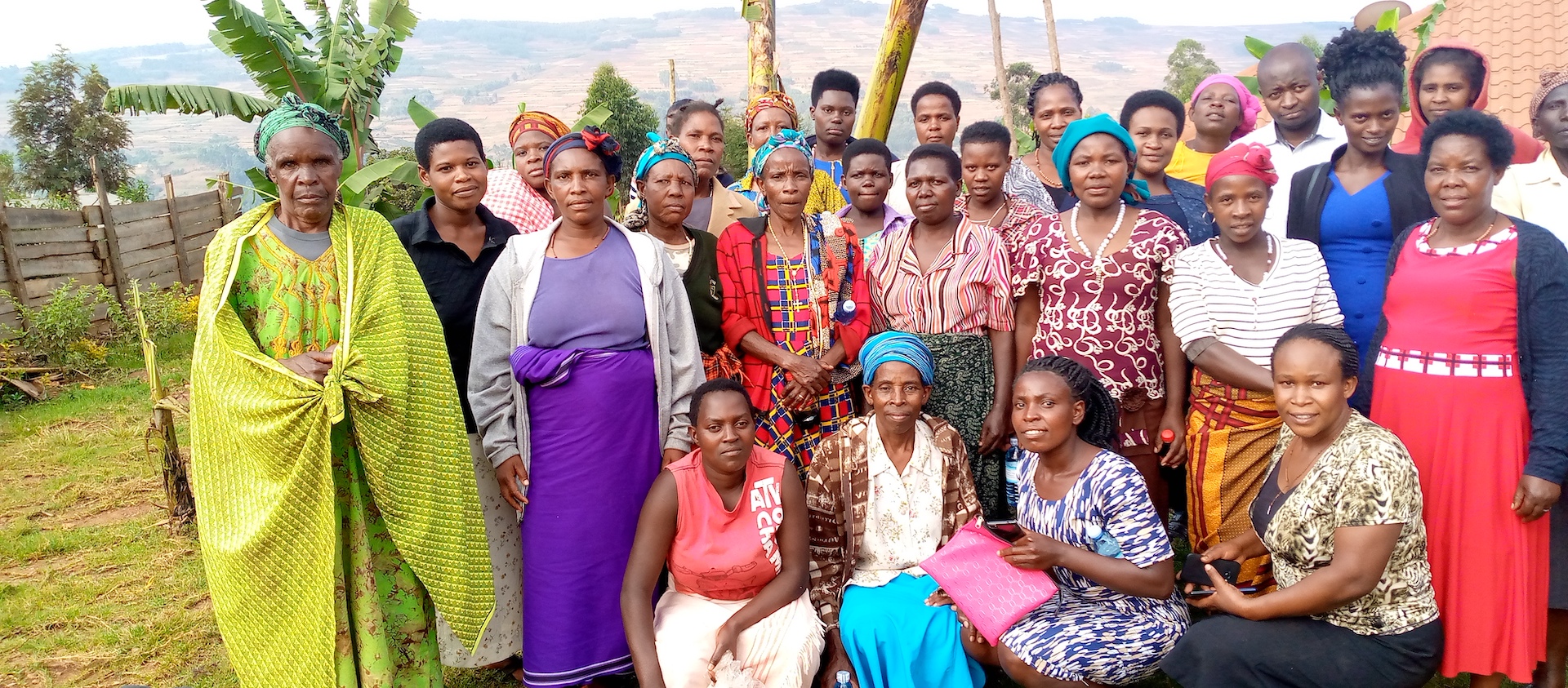
Women's rights and food are closely linked, as gender inequality can lead to food insecurity. Women's rights to food include access to resources, land, and knowledge, as well as the right to work and earn a living
Read moreSustainable Production
- Agriculture-Women are often the primary agricultural producers in rural areas. They have a better understanding of their community's nutritional and cultural needs.
- Natural resource management-Women are involved in the management, conservation, and exploitation of natural resources. They often do unpaid work, such as collecting firewood and fetching water.
- Climate change-Women are disproportionately affected by resource scarcity and natural disasters. They have unique knowledge and skills that can help adapt to climate change
SAPNET empowers women in sustainable production by;
- Encouraging and supporting gender-inclusive policies. Policies that acknowledge the challenges women face can help build climate resilience.
- Increasing access to resources-Women need access to the same resources as men, including land, education, and markets to succeed in life.
- Access to financing- for women to be empowered, they need access to financing, training, and agricultural extension services.
- Decision-making-We work to support women so that they can be fully involved in decision-making to improve the lives of their families and communities.
Natural Resource Governance
Rural women play a crucial role in the management of natural resources and the wellbeing and livelihood of rural households and communities. They account for a significant proportion of the labour force in food systems, working as farmers, harvesters and collectors, seed keepers, fisherfolks, wage earners and entrepreneurs. In Uganda, women make up 45% of the agricultural labour force. However, women in rural areas tend to sustain an even heavier workload due to the out-migration of men. The lack of infrastructure in many areas, including for water and sanitation, and other productive resources and assets, requires that biomass fuels and water are collected, and food materials processed manually.
Rural women’s contributions are also essential for conserving biodiversity as they play a leading role as ecosystem managers. They are guardians and defenders of water, seeds, forests, territories and ecosystems. Through local knowledge and experience, rural women often understand their environment and their community's needs better than anyone else. They pass on traditional knowledge in medicinal plants, and they contribute significantly to sustaining agriculture, food security, nutrition and health.
Water and Gender
Women's rights to water are fundamental human rights that are essential for health, safety, and dignity. Women and girls are often excluded from access to water and sanitation, which can threaten their rights. Access to water and sanitation are human rights. Where females are unable to enjoy those rights, their health is profoundly affected, curtailing their educational and economic opportunities, and denying them their full role in society. Without safely managed water, sanitation and hygiene (WASH) services, women and girls are more vulnerable to abuse, attack and ill-health, affecting their ability to study, work and live in dignity. Improvements to WASH at home, school, work and in public spaces support gender equity. Women and girls must play a central role in designing and implementing solutions, so that services respond to their specific needs.
Women and girls usually have the responsibility of fetching water. This can be a dangerous, time-consuming and physically demanding task. Long journeys by foot, often more than once a day, can leave women and girls vulnerable to attack and often precludes them from school or earning an income.
For women and girls, sanitation is about personal safety. Having to go to the toilet outside or sharing facilities with men and boys puts women and girls at increased risk of abuse and assault.Women and girls have specific hygiene needs. A clean, functional, lockable, gender-segregated space is needed, with access to sanitary products and disposal systems, for women and girls to manage menstrual hygiene and pregnancy.
Lack of safely managed water and sanitation is an equality issue. Women and girls are disproportionately affected by poor water, sanitation and hygiene services and facilities. However, their voices and needs are often absent in the design and implementation of improvements, thereby ensuring their continued marginalization.
Women and Food Security
Women's rights and food are closely linked, as gender inequality can lead to food insecurity. Women's rights to food include access to resources, land, and knowledge, as well as the right to work and earn a living. Food insecurity and its impact on livelihoods are creating ripple effects for women and girls, including health and safety risks, increased sexual and gender-based violence (SGBV), and decreasing access to education. Women are forced to bear the double burden of employment and household responsibilities, having to become breadwinners as their husbands migrate in search of alternative means of subsistence. SAPNET supports Women leading the response to the food crisis in Uganda.
Women’s rights advocates play critical roles in contributing to improved food security, not only because women are custodians of food and food preparation in their households, but because of their roles as advocates for more gender-responsive food systems and equal land rights. It is essential that women civil society leaders take on leadership roles in humanitarian food assistance to ensure inclusive and gender-responsive policies, planning and response to the hunger crisis. They must be enabled to promote and support women’s access to all productive resources and to apply a gender lens to the impacts of conflicts on food security.
Advancing Gender Equality and Women’s Empowerment
Our work on advancing gender equality and women empowerment focus on addressing three priority areas; Equal opportunities for leadership, decision-making and effective engagement at all levels; Equal access, ownership and control over biological resources, and Equal access to benefits from biodiversity conservation and sustainable use, and from the utilization of genetic resources. Through this programme, we work to address the challenges faced by women including the following;
Vulnerabilities
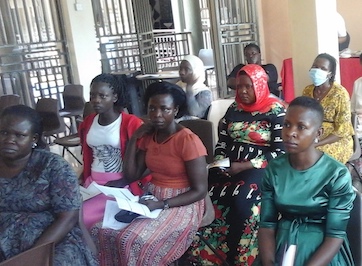
Gender and development data show that women disproportionately experience poverty, exclusion and the effects of climate change, compared to men. In addition, they often lack access to public services
Read more
Gender-based violence
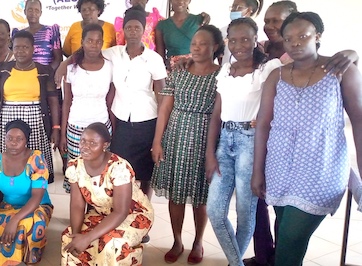
Women face additional challenges simply for being women. These challenges can include sexual harassment, stigmatization, violence, and less opportunities in favour of economic independence.
Read more
Barriers to Economic Empowerment
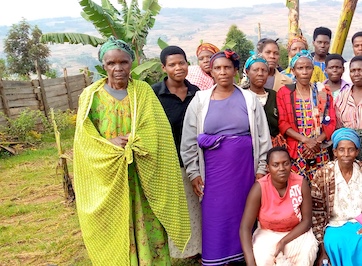
Although women farmers are as productive and enterprising as their male counterparts, the gender pay gap in rural areas is as high as 40%. Nationally, over a third of employed.
Read more
Exclusion from decision-making processes
Rural women are often excluded or underrepresented in decision-making that affects them directly. They are also poorly considered in budget allocations and
Read more
Facts and Figures
Food Wastage
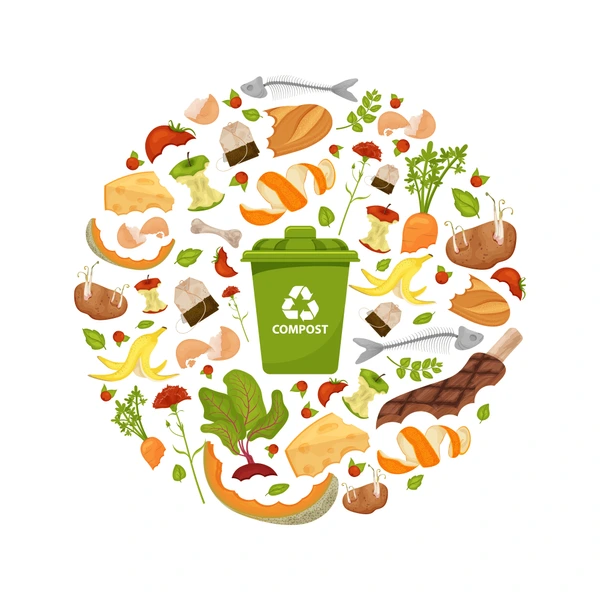
Each year, an estimated one third of all food produced ends up rotting in the bins of consumers and retailers, or spoiling due to poor transportation and harvesting practices.

Energy Effeciency
If people in Uganda switched to energy efficient light bulbs the, country would save millions of dollars annually. This could go along way in boosting the sustainability of the economy.

Natural Resources
Should the world population reach 9.6 billion by 2050, the equivalent of almost three planets could be required to provide the natural resources needed to sustain current lifestyles.