Sustainable Consumption
Sustainable consumption and production is about doing more and better with less. It is also about decoupling economic growth from environmental degradation, increasing resource efficiency and promoting sustainable lifestyles. Sustainable consumption and production can also contribute substantially to poverty alleviation and the transition towards low-carbon and green economies.
Achieving economic growth and sustainable development requires that we urgently reduce our ecological footprint by changing the way we produce and consume goods and resources. Agriculture is the biggest user of water and irrigation now claims close to 70 percent of all freshwater for human use. The efficient management of our shared natural resources, and the way we dispose of toxic waste and pollutants, are important targets to achieve this goal. Encouraging industries, businesses and consumers to recycle and reduce waste is equally important, as is supporting communities to move towards more sustainable patterns of consumption.
A large share of the population is still consuming far too little to meet even their basic needs. Halving the per capita of food waste at the retailer and consumer levels is also important for creating more efficient production and supply chains. This can help with food security, and shift us towards a more resource efficient economy. Sustainable consumption and production is about promoting resource and energy efficiency, sustainable infrastructure, and providing access to basic services, green and decent jobs and a better quality of life for all. Its implementation helps to achieve overall development plans, reduce future economic, environmental and social costs, strengthen economic competitiveness and reduce poverty.
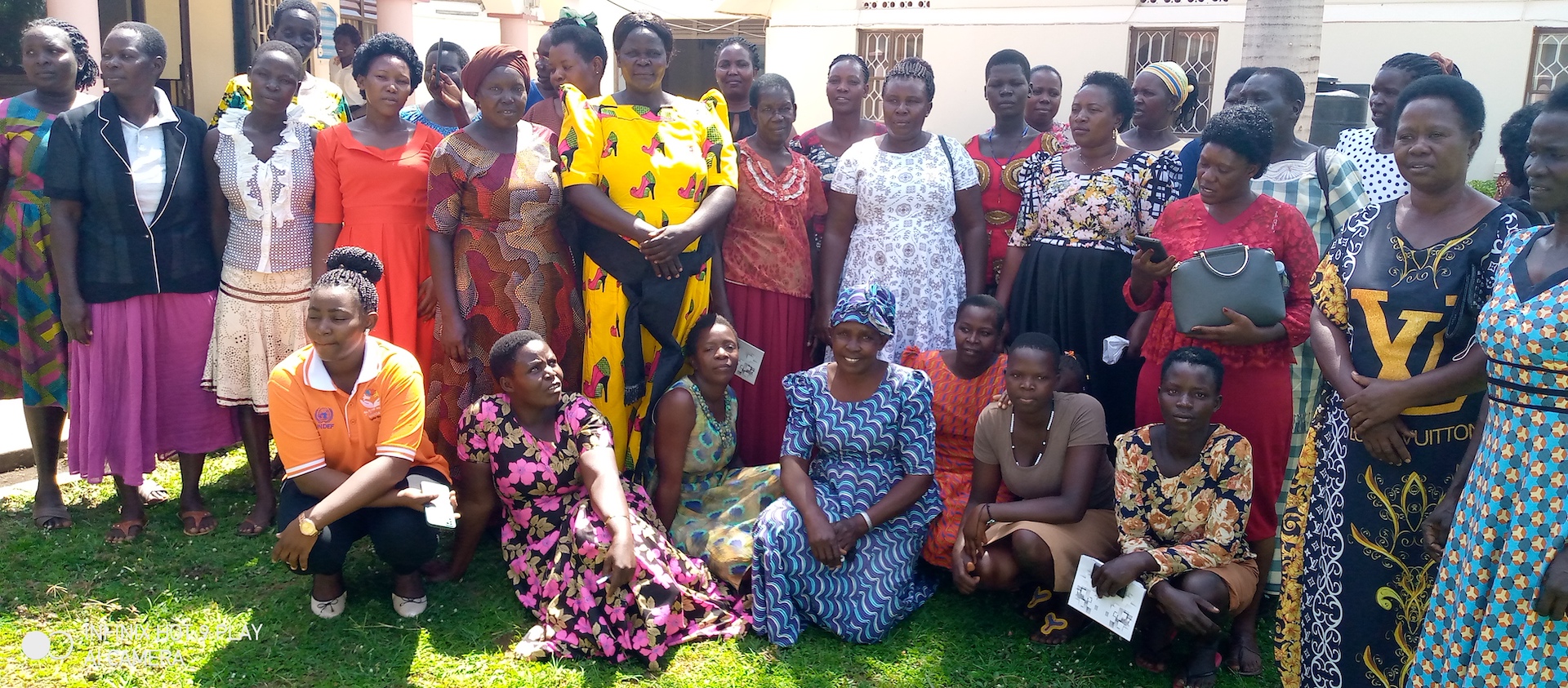
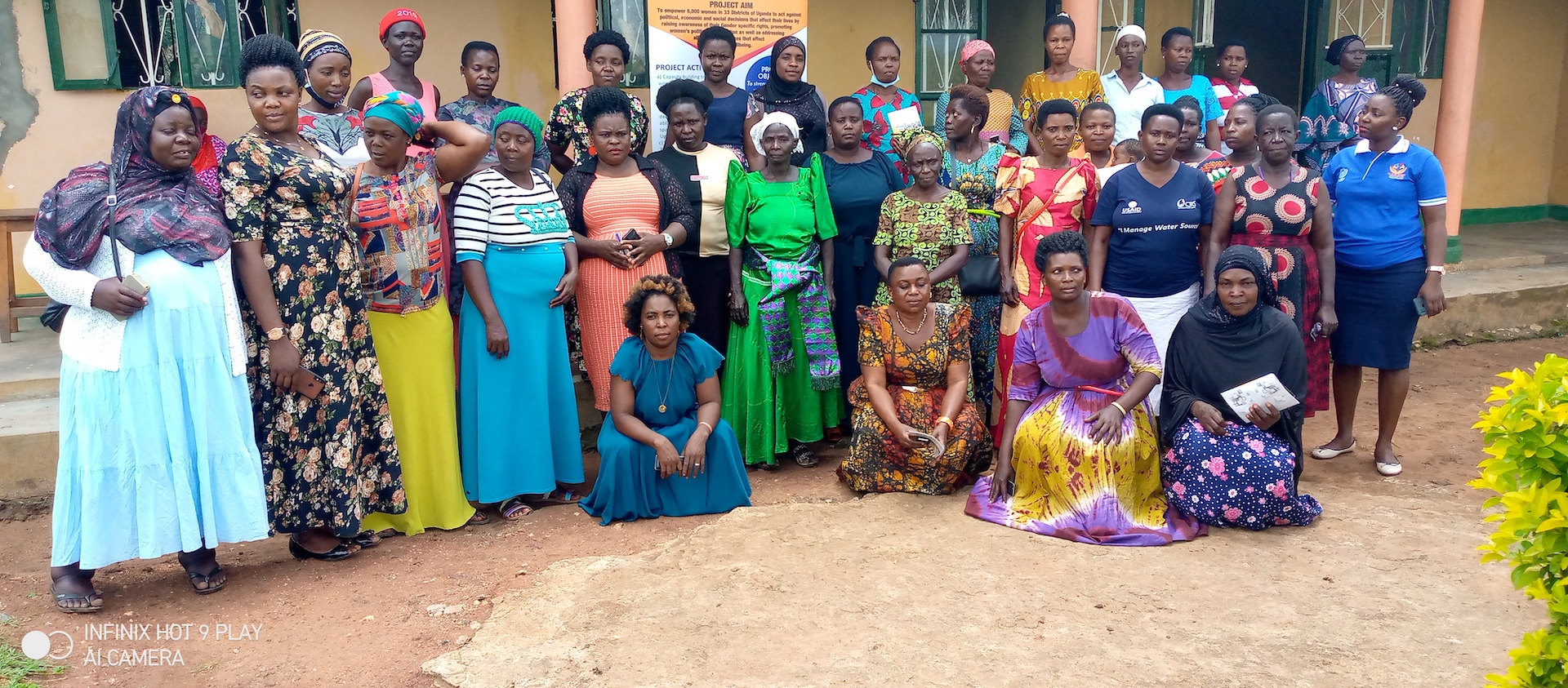
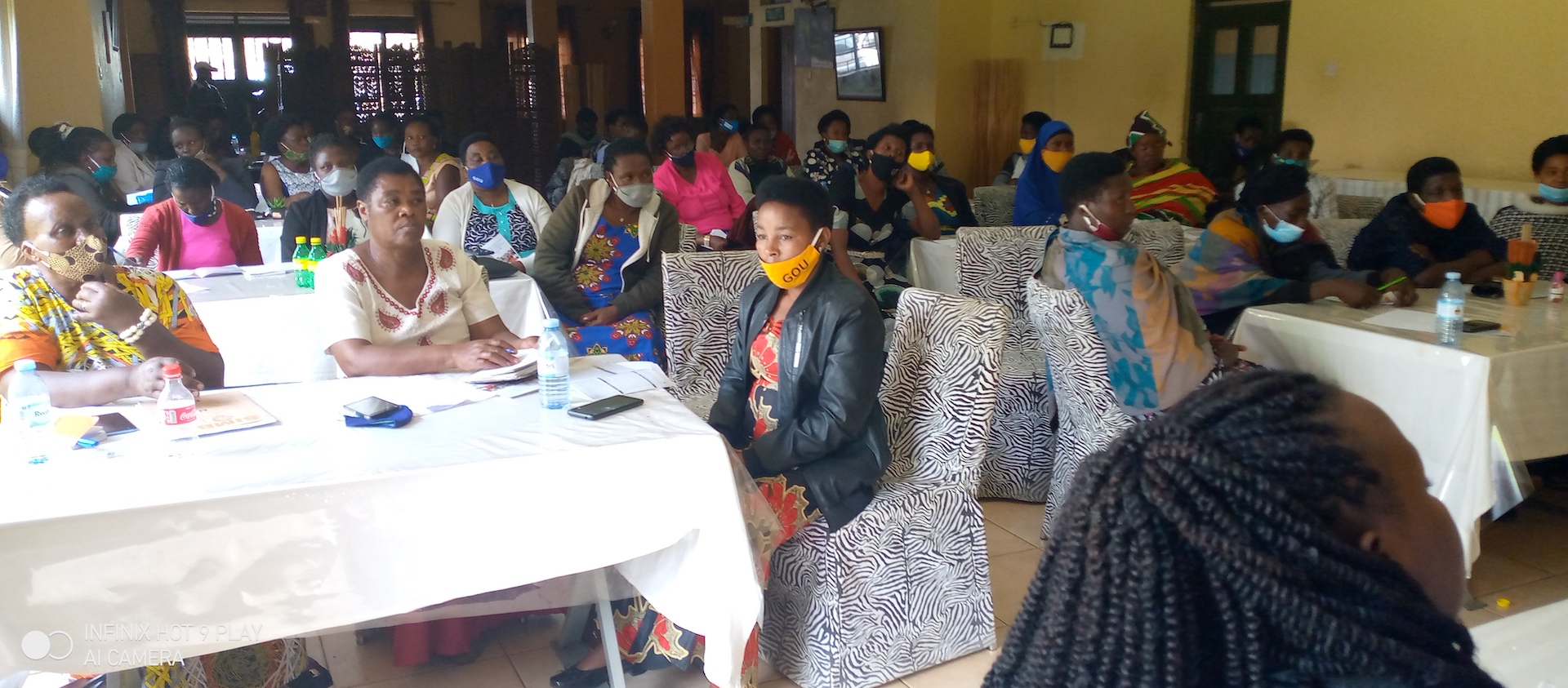
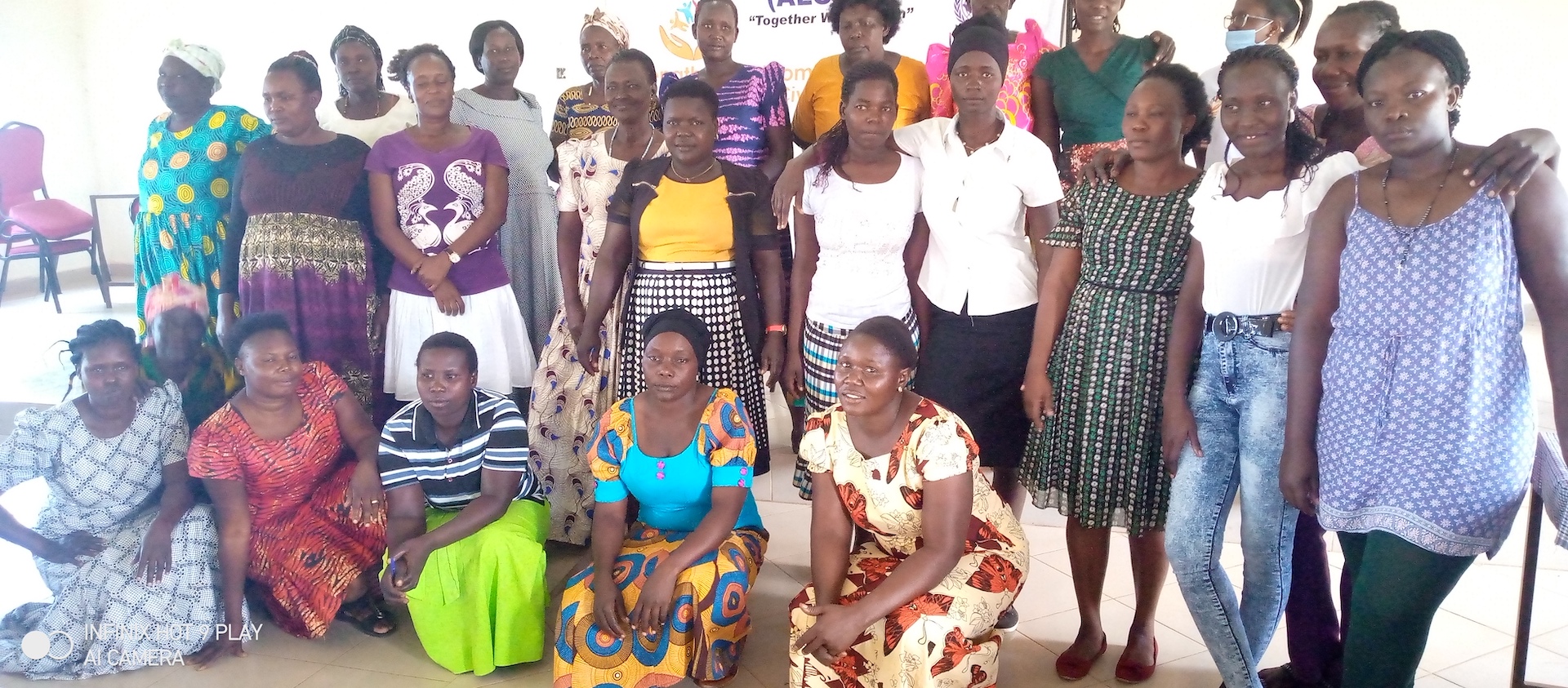
SAPNET is implementing a Sustainable Consumption and Production programme that involves;
- 1. Sustainable Management and Use of Natural Resources. We work with women to achieve the sustainable management and efficient use of natural resources.
- 2. Reducing Food Waste. We work with women to reduce food waste at the retail and consumer levels and reduce food losses along production and supply chains, including post-harvest losses.
- 3. Responsible Management of Chemicals and Waste. We work with women to achieve the environmentally sound management of chemicals and all wastes throughout their life cycle, in accordance and significantly reduce their release to air, water and soil in order to minimize their adverse impacts on human health and the environment
- 4. We work with Women to reduce Waste Generation by substantially reducing waste generation through prevention, reduction, recycling and reuse.
- 5. Encourage Companies to Adopt Sustainable Practices and Sustainability Reporting. We are working to encourage companies, small, large and transnational companies, to adopt sustainable practices and to integrate sustainability information into their reporting cycle
- 6. Promote Sustainable Public Procurement Practices. We are working with women to promote public procurement practices that are sustainable, in accordance with national policies and priorities.
- 7. Promote Universal understanding of Sustainable Lifestyles. We ensure that women everywhere have the relevant information and awareness for sustainable development and lifestyles in harmony with nature.
- 8. Supporting communities and enhancing their Capacities for Sustainable Consumption and Production. We support women and communities to strengthen their capacity to move towards more sustainable patterns of consumption and production.